Introduction
House design plays a crucial role in creating a comfortable and aesthetically pleasing living space. It involves the arrangement and organization of various elements to achieve a harmonious and functional home. Whether you are building a new house or renovating an existing one, understanding the principles of house design is essential for creating a space that reflects your personal style and meets your needs.
Importance of House Design
A well-designed house enhances the quality of life by providing a space that is both visually appealing and functional. Good house design takes into consideration factors such as natural light, ventilation, spatial arrangement, and accessibility. It allows for efficient use of space, promotes a sense of well-being, and can even improve the energy efficiency of a home. With a well-designed house, you can create a sanctuary that meets your needs and brings you joy.
Key Elements of House Design
When designing a house, several key elements should be taken into consideration:
1. Layout: The arrangement of rooms and spaces within a house should be carefully planned to ensure functionality and flow. Consider the needs of each occupant and the activities that will take place in each area.
2. Natural Light: Maximizing natural light in a house not only reduces the need for artificial lighting but also creates a bright and welcoming atmosphere. Consider the orientation of the house, window placement, and the use of skylights or light wells to bring in as much natural light as possible.
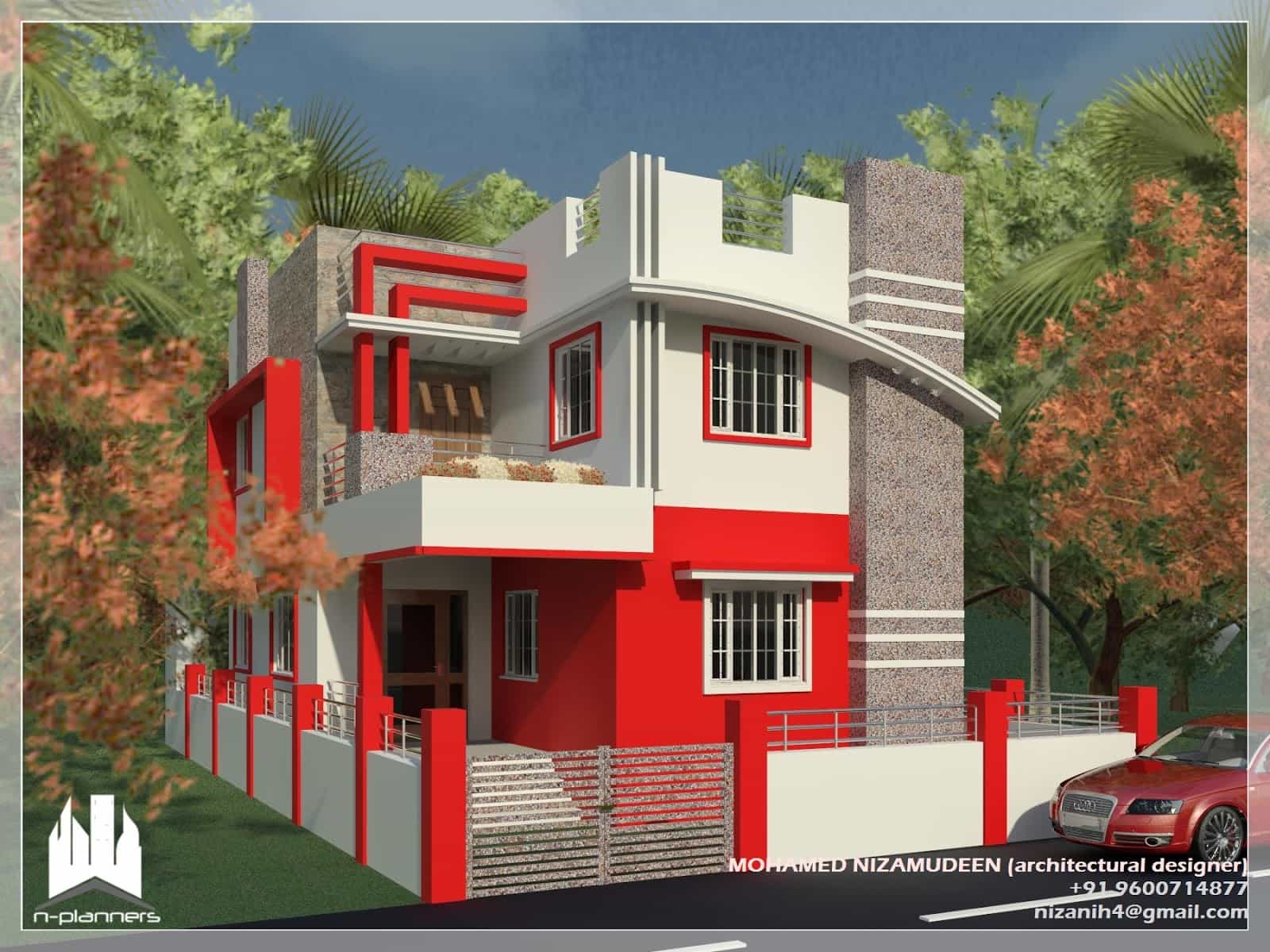
3. Ventilation: Good ventilation is essential for maintaining a healthy indoor environment. Incorporate windows that can be opened, consider the use of ceiling fans or ventilation systems, and ensure proper airflow throughout the house.

4. Materials and Finishes: The choice of materials and finishes can greatly impact the overall look and feel of a house. Consider factors such as durability, maintenance requirements, and the desired aesthetic when selecting materials for flooring, walls, and other surfaces.
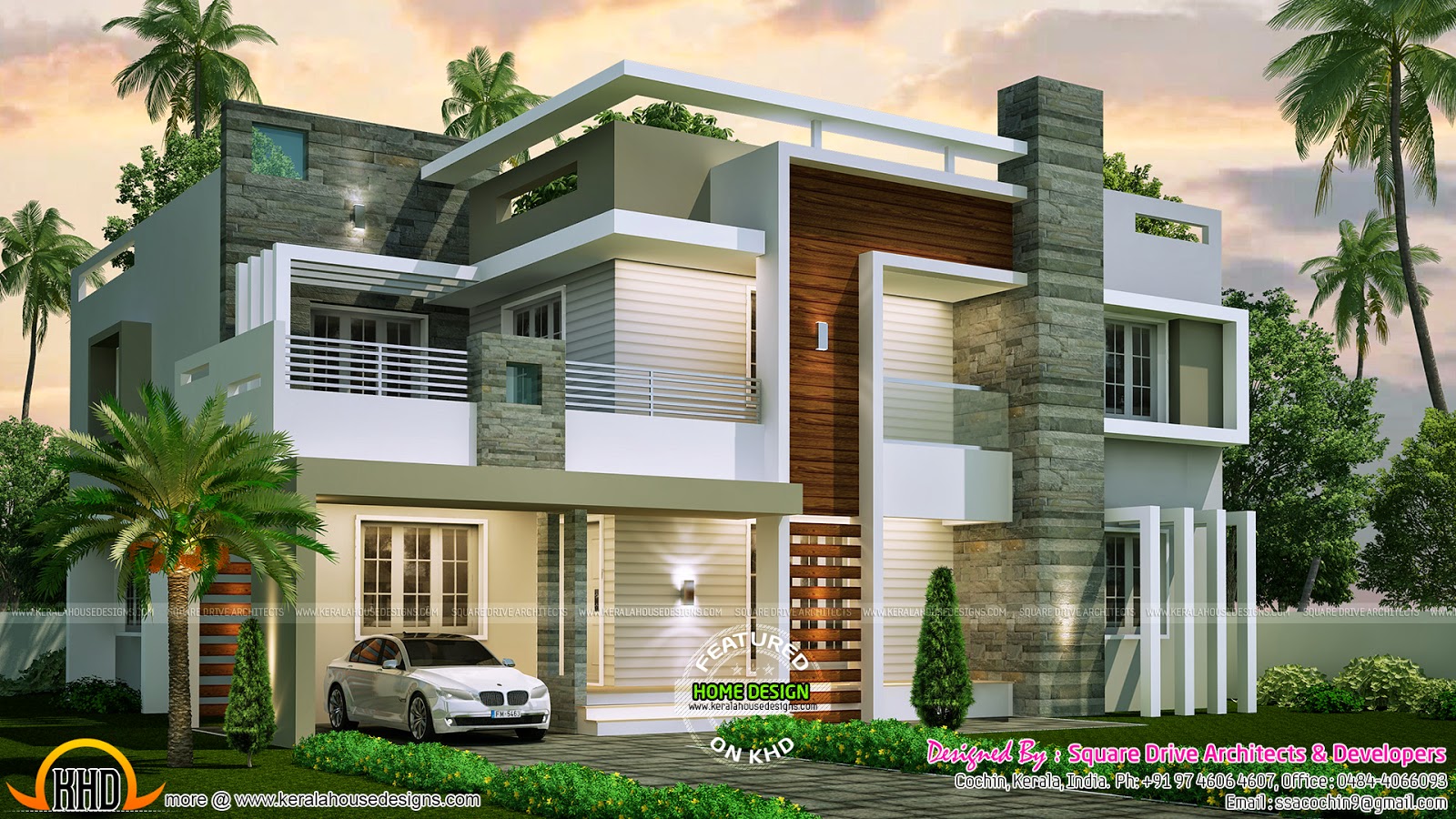
5. Color Scheme: The colors used in a house can influence the mood and atmosphere of each room. Choose a color scheme that reflects your personal style and complements the overall design of the house.
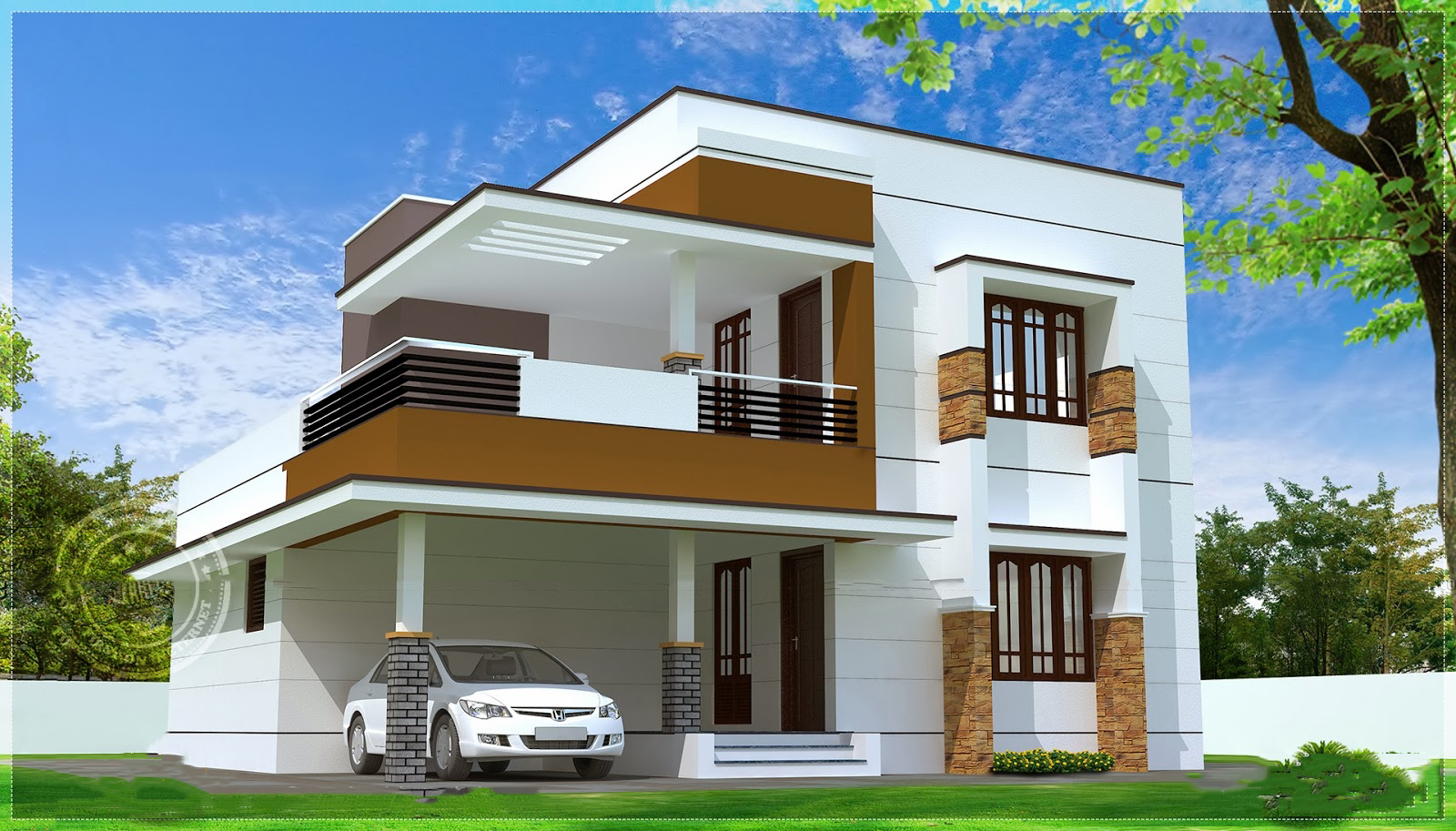
6. Storage: Adequate storage space is essential for maintaining a clutter-free and organized home. Consider incorporating built-in storage solutions, such as closets, cabinets, and shelving units, to maximize space efficiency.
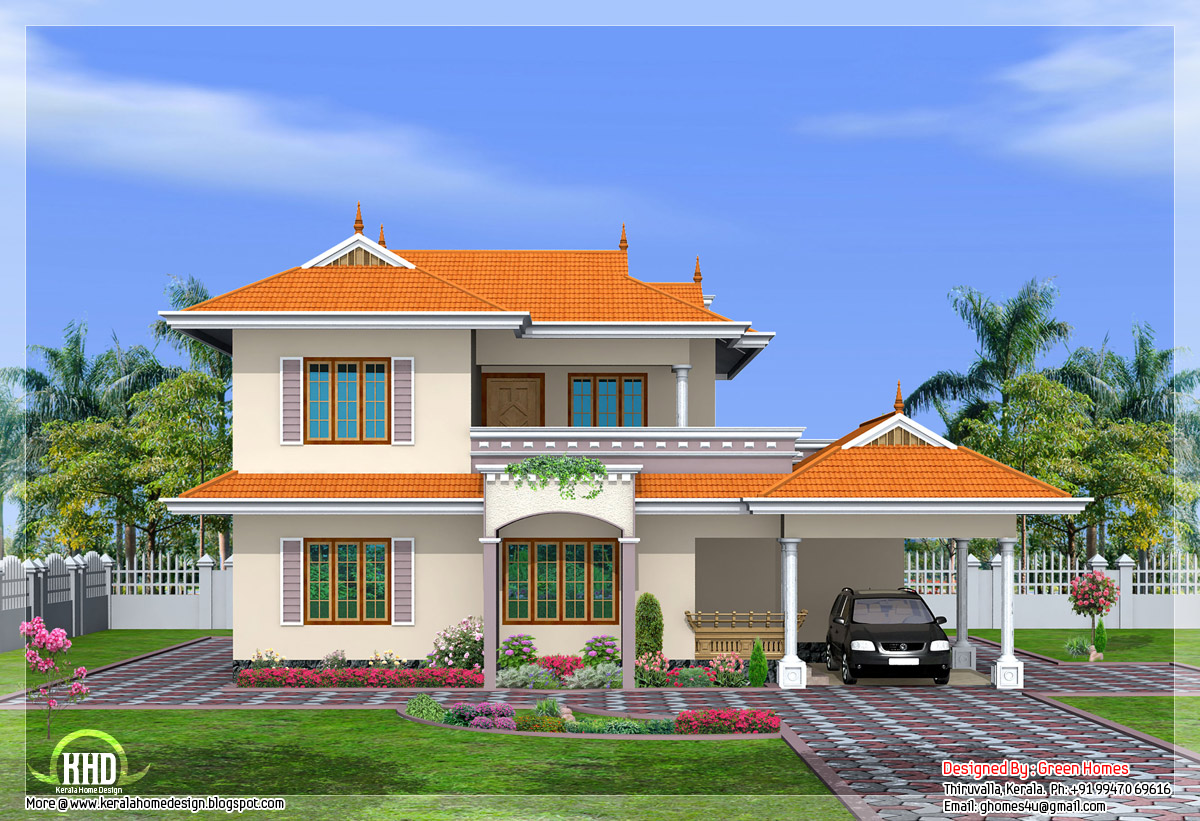
7. Accessibility: Designing a house that is accessible to all individuals, regardless of their physical abilities, is important. Incorporate features such as ramps, wider doorways, and accessible bathrooms to ensure the house can be easily navigated by everyone.
Choosing a House Design Style
The style of your house design should reflect your personal taste and preferences. Here are some popular house design styles to consider:
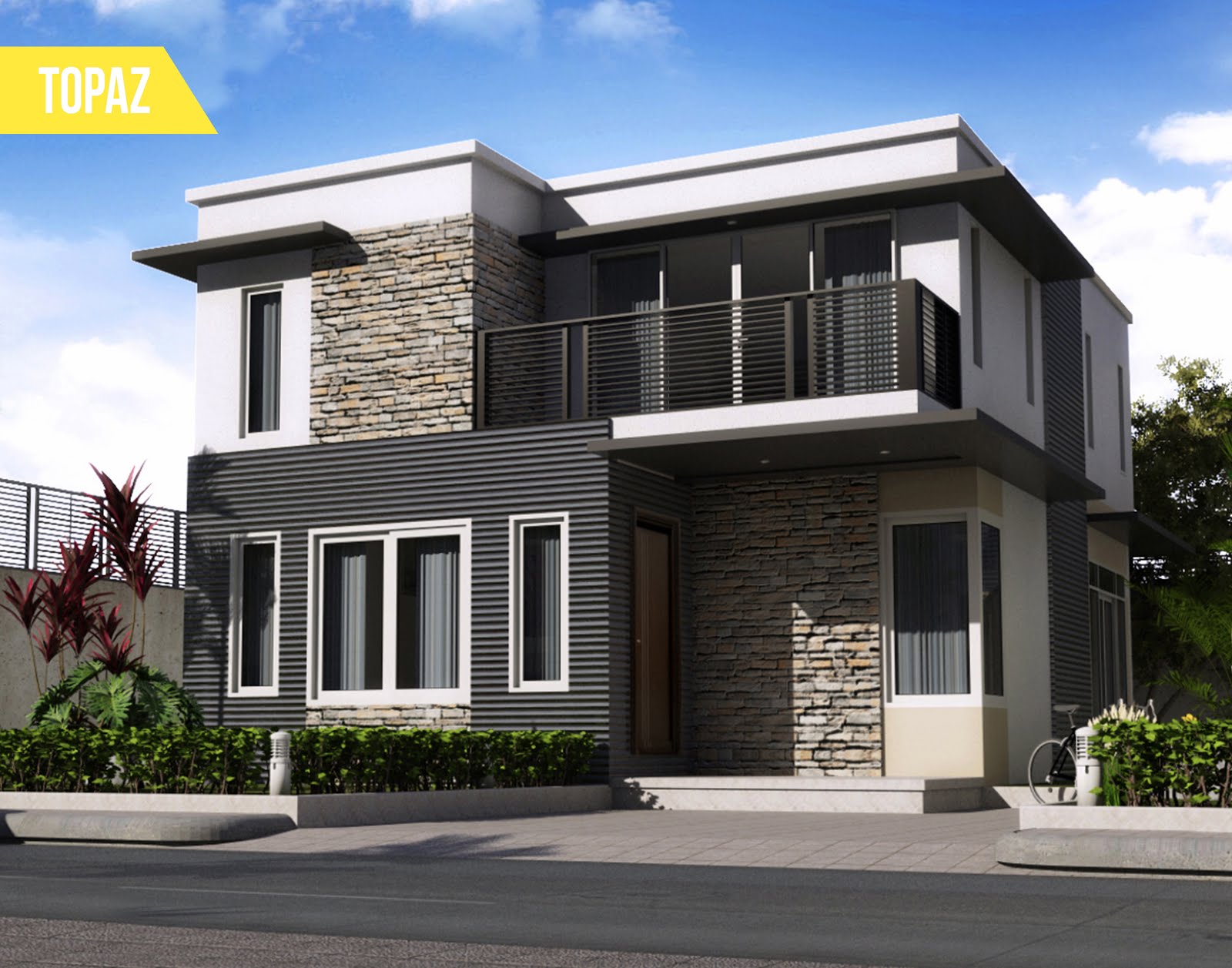
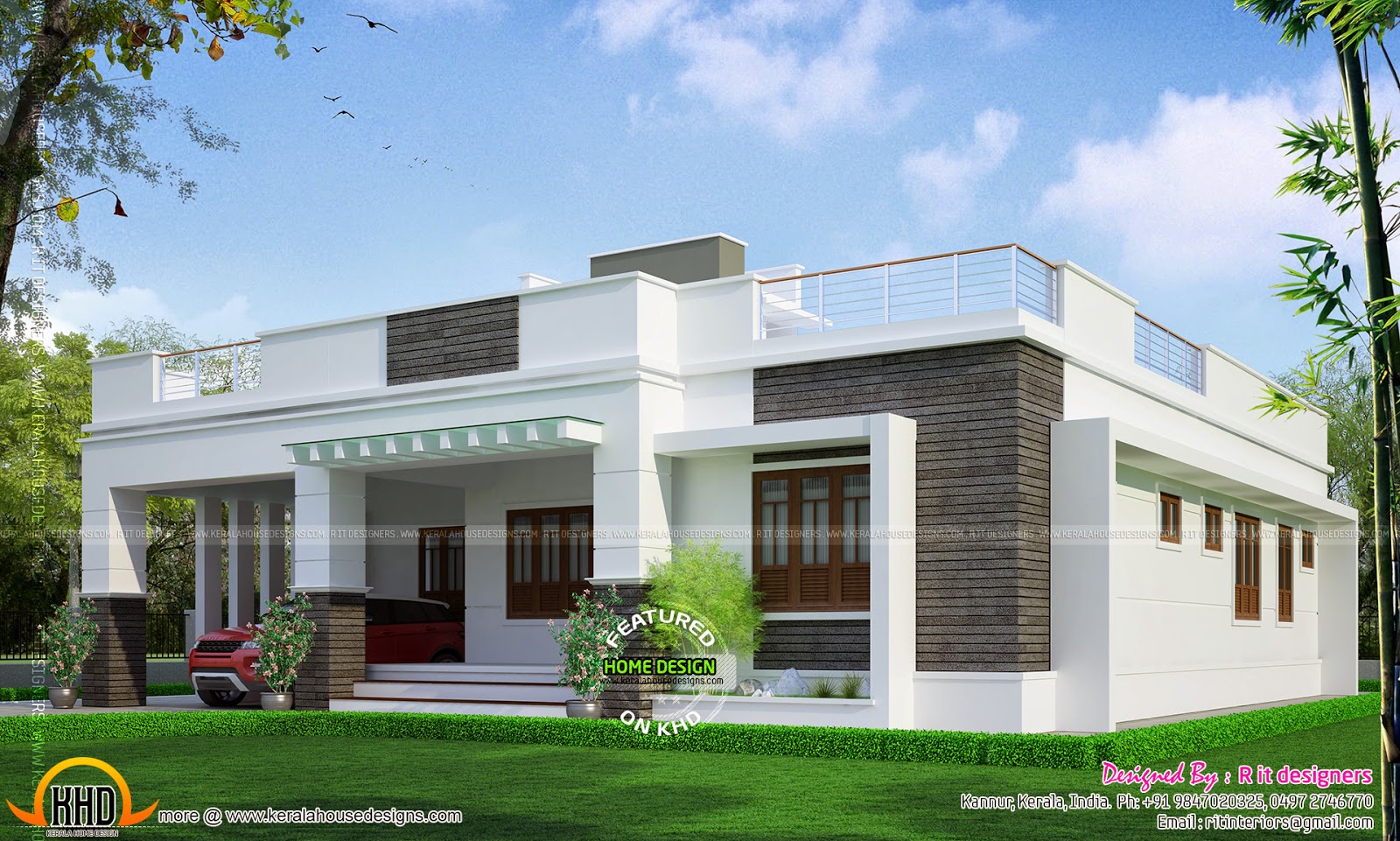
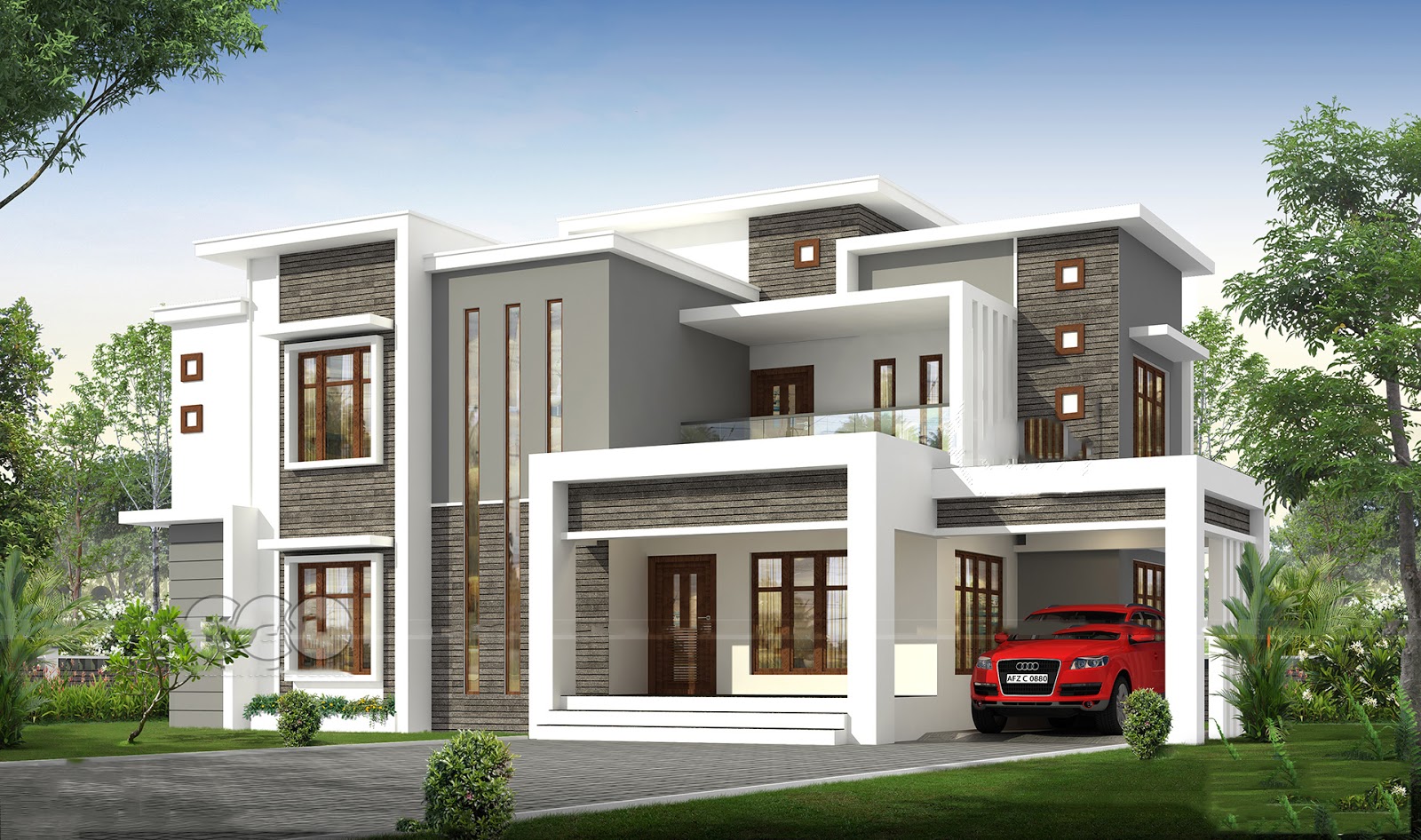
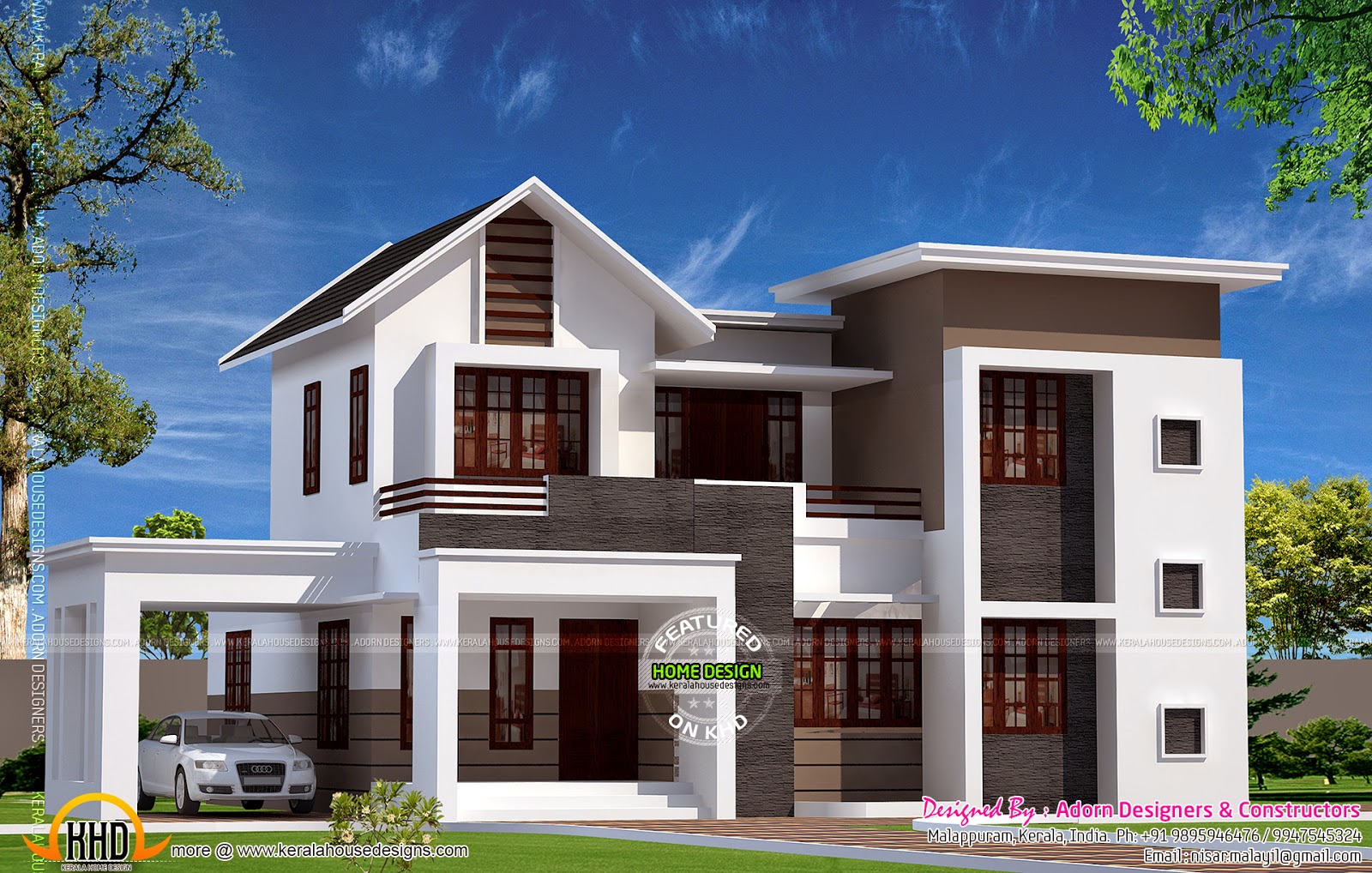
1. Modern: Characterized by clean lines, minimalism, and an emphasis on open spaces, modern house design is sleek and contemporary.
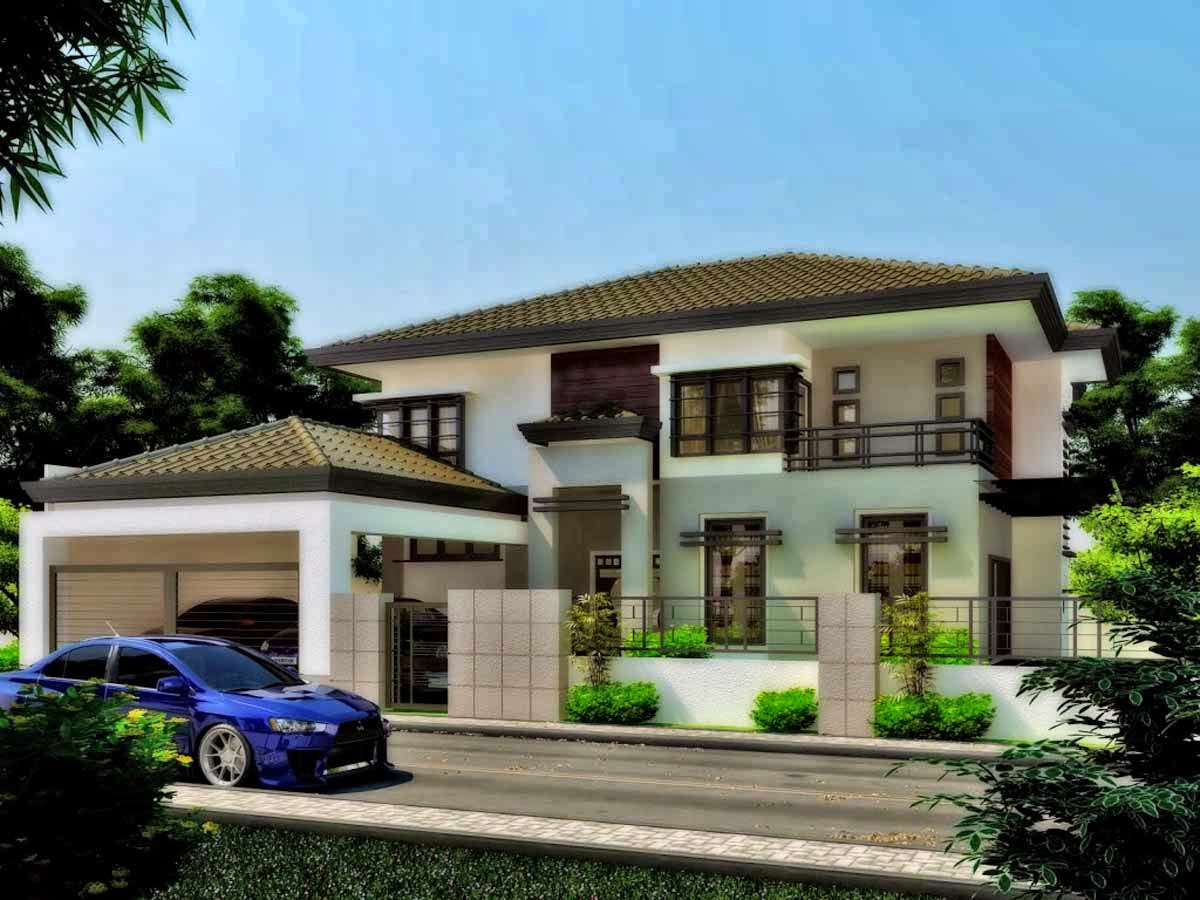
2. Traditional: Traditional house design incorporates elements from various historical periods and often features ornate detailing, symmetry, and classic architectural features.

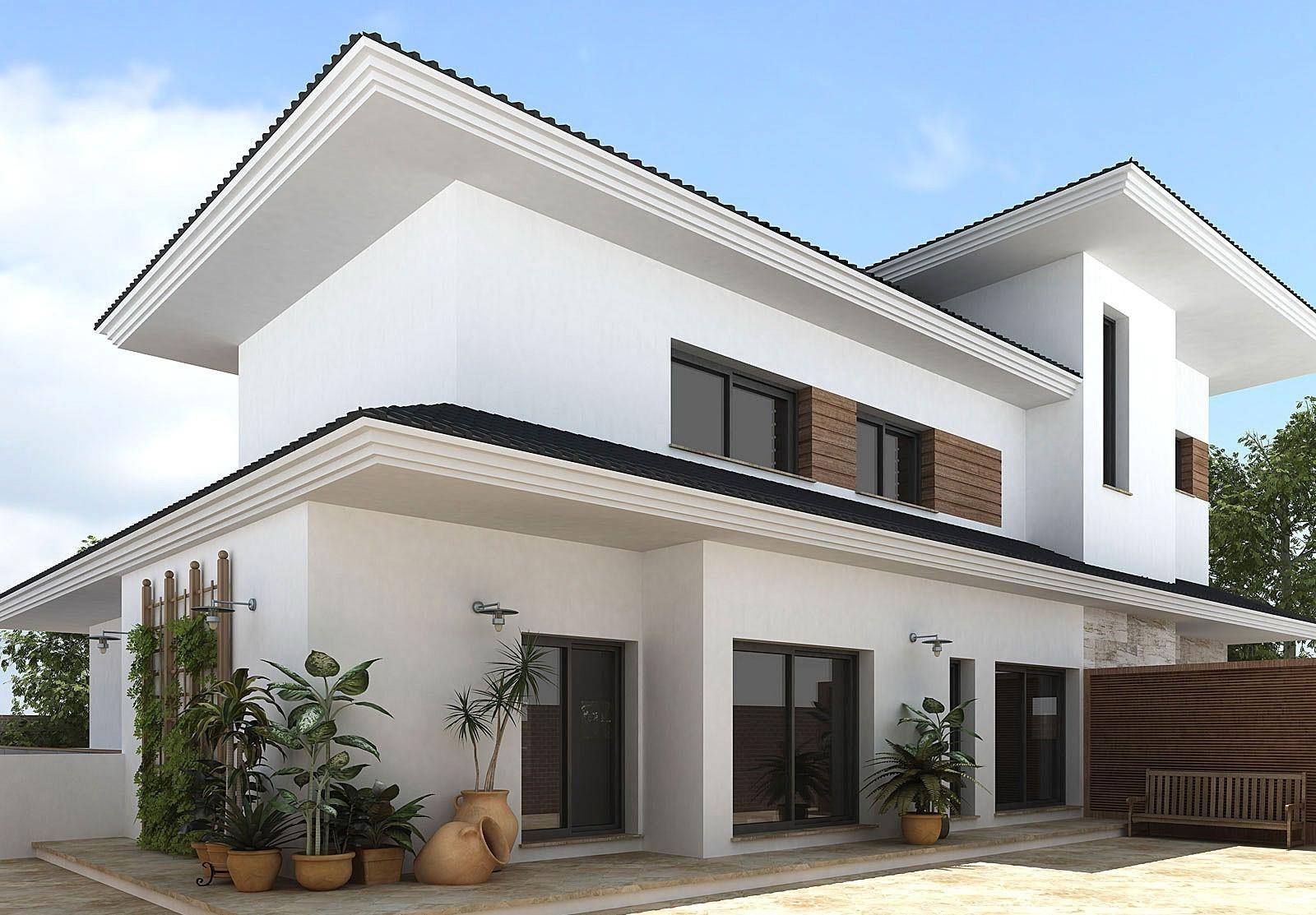
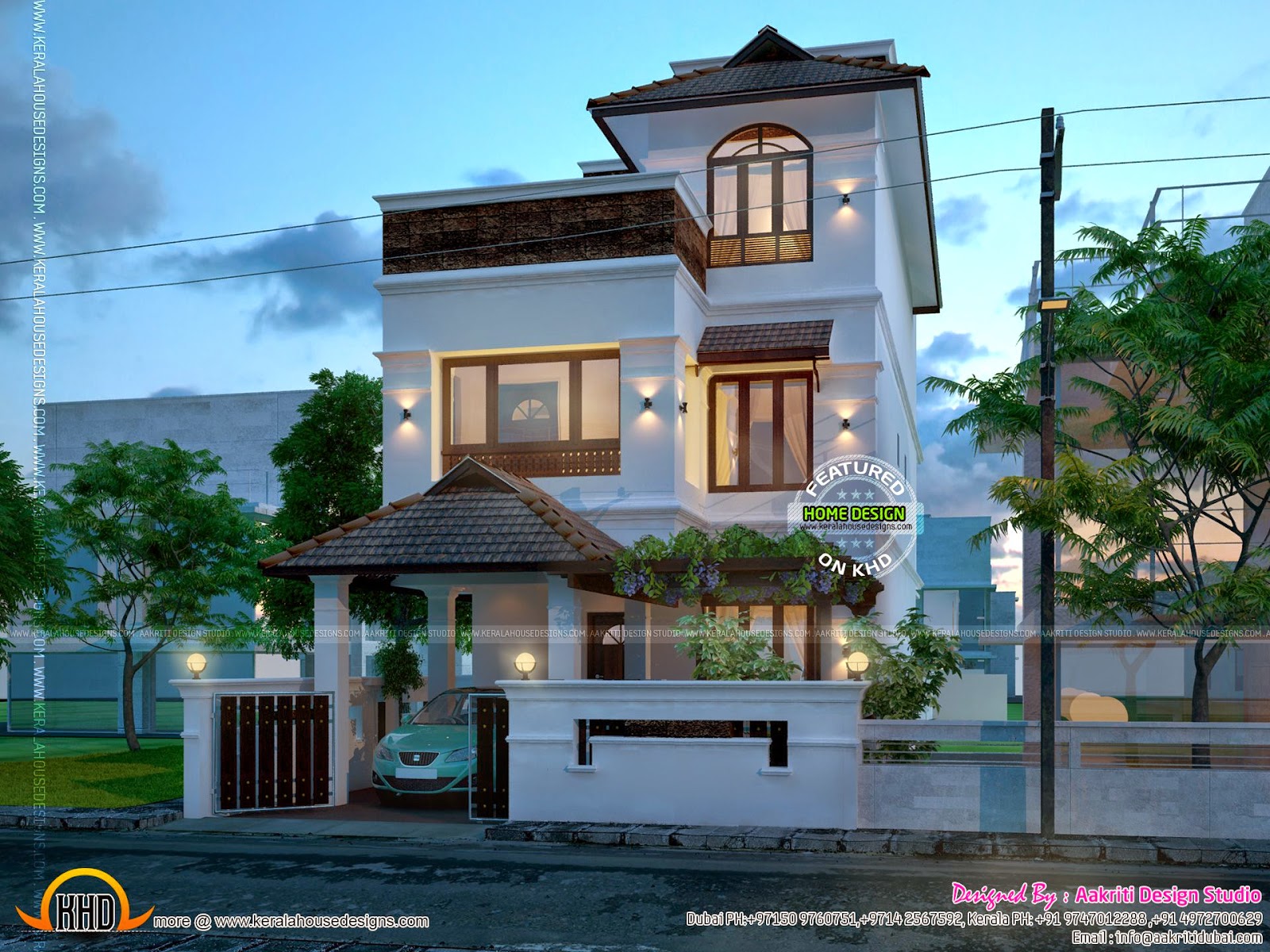
3. Mediterranean: Inspired by the coastal regions of Spain, Italy, and Greece, Mediterranean house design is characterized by warm colors, tiled roofs, and outdoor living spaces.
4. Scandinavian: Clean lines, natural materials, and a focus on functionality are the hallmarks of Scandinavian house design. This style often incorporates light colors and minimalist decor.
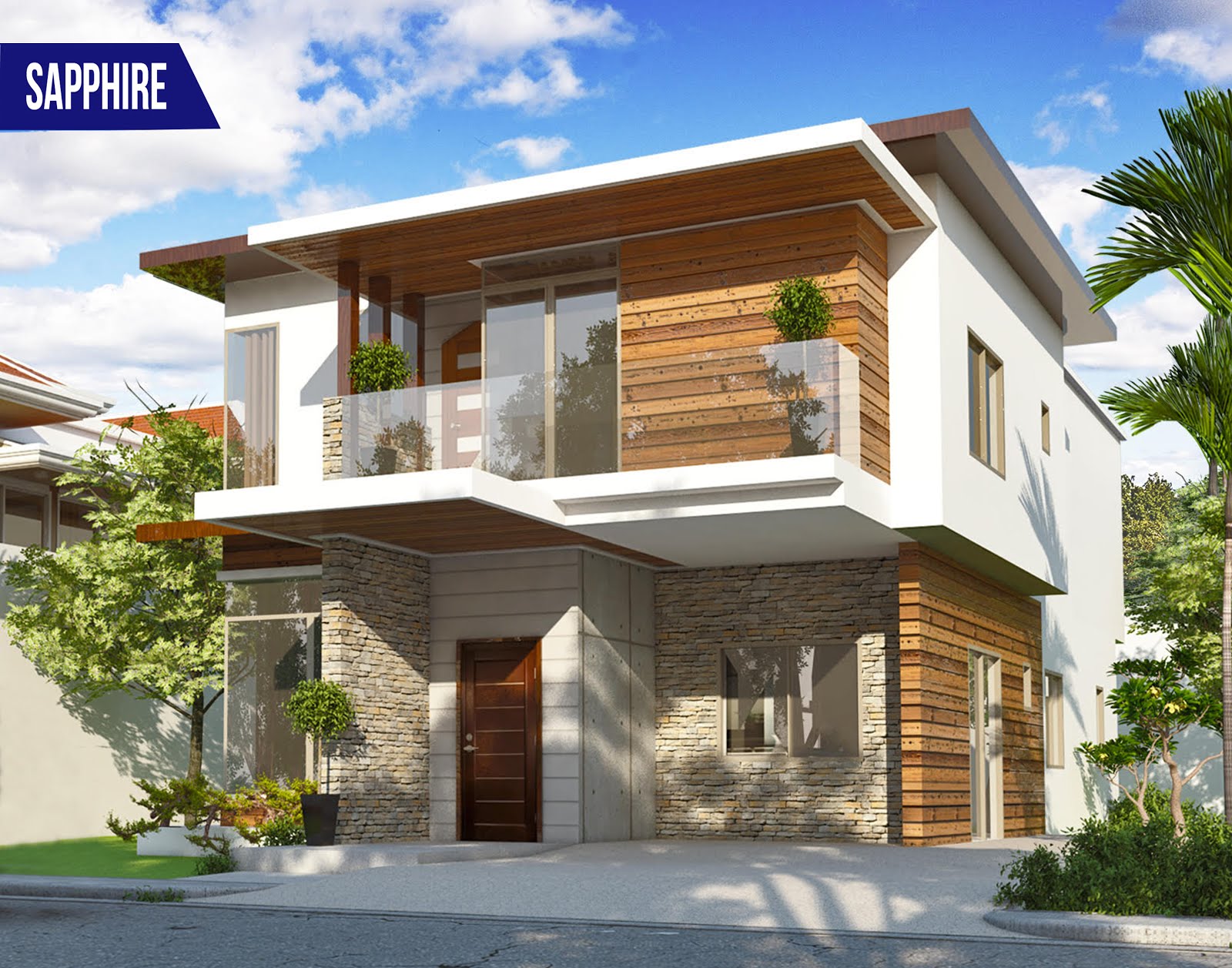
5. Farmhouse: Rustic and charming, farmhouse house design evokes a sense of warmth and simplicity. This style often incorporates natural materials, such as wood and stone, and features a cozy and inviting atmosphere.
The Role of Architects and Designers
When it comes to house design, architects and designers play a vital role in turning your vision into reality. They have the expertise and knowledge to create a well-designed and functional space that meets your specific requirements.
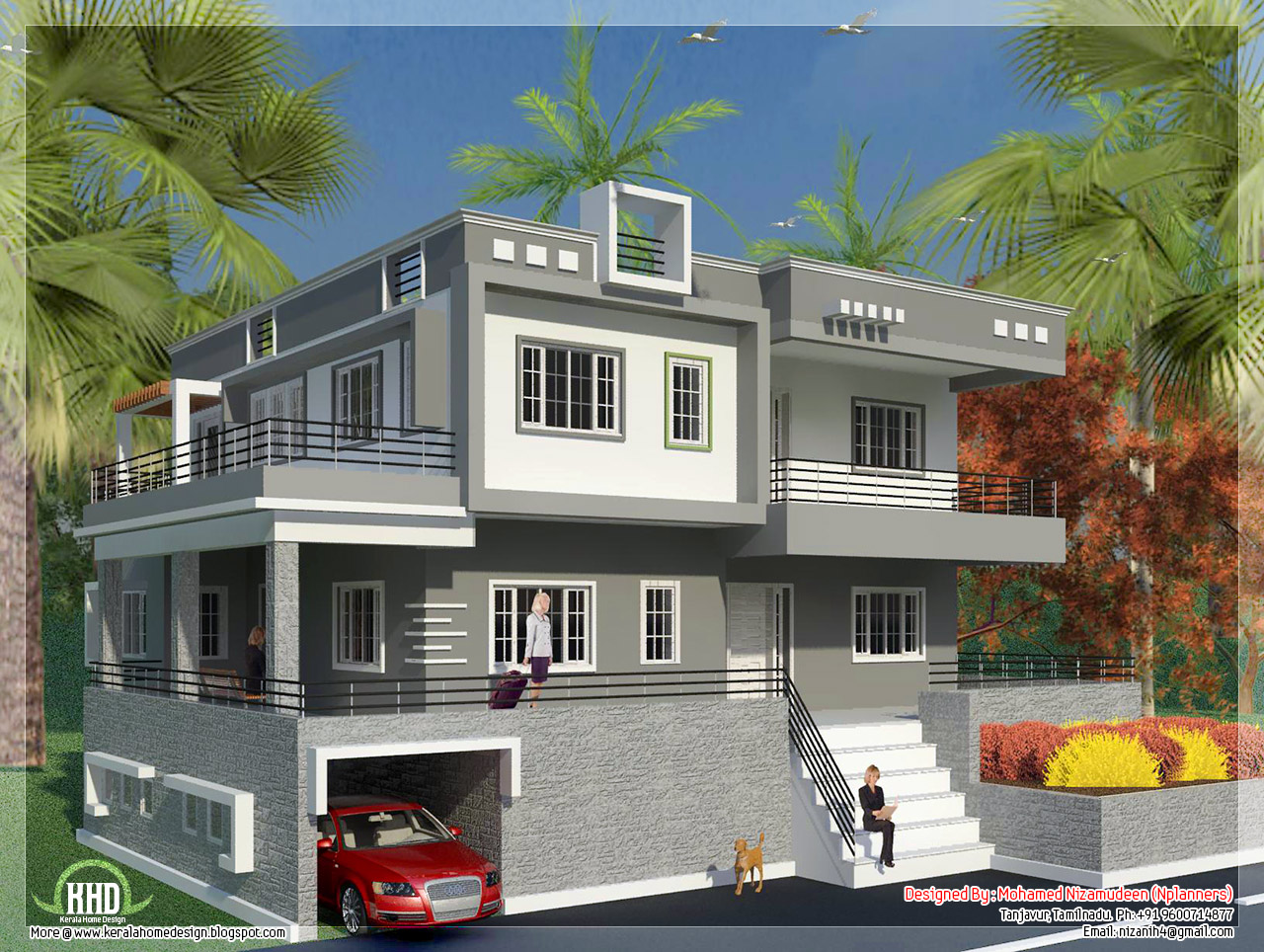
Architects are trained professionals who specialize in designing and overseeing the construction of buildings. They consider factors such as structural integrity, building codes, and zoning regulations when creating house designs.
Interior designers, on the other hand, focus on the aesthetics and functionality of the interior spaces. They help select finishes, furnishings, and decor that complement the overall house design.
Collaborating with architects and designers ensures that your house design is well-planned, meets your needs, and adheres to industry standards.
Conclusion
House design is a vital aspect of creating a comfortable and functional living space. By considering factors such as layout, natural light, ventilation, materials, and finishes, you can create a house that reflects your personal style and meets your needs. Choosing a house design style that resonates with you and collaborating with architects and designers can further enhance the overall design. Designing a house that is both visually appealing and practical will not only improve your quality of life but also increase the value of your property.
