Introduction
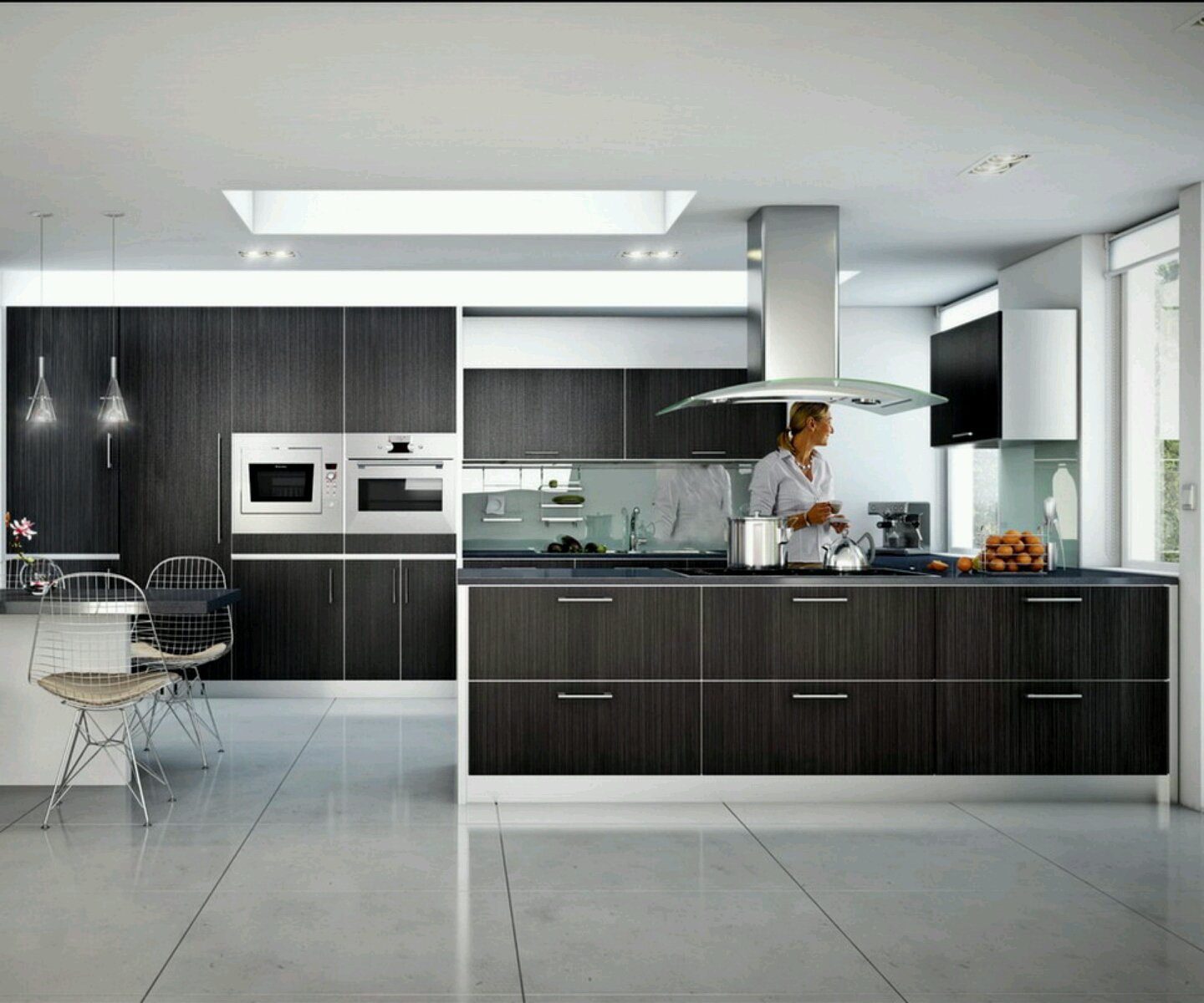
In today's fast-paced world, the kitchen has become more than just a place to prepare meals. It has evolved into a multifunctional space where families gather, entertain guests, and showcase their personal style. Modern kitchen design embraces the concept of functionality, efficiency, and aesthetics, creating a harmonious balance between form and function.
Sleek and Streamlined
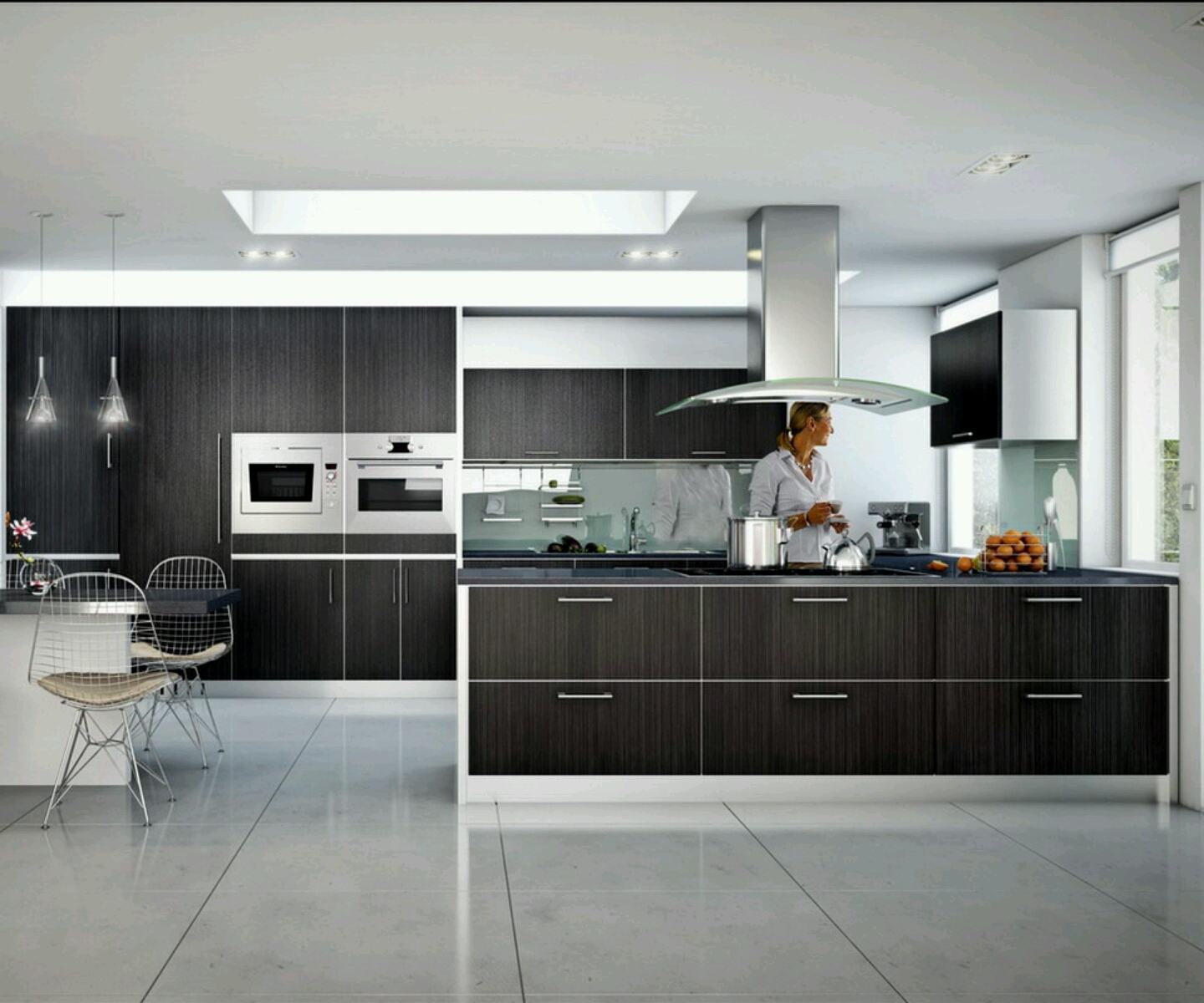
One of the defining features of modern kitchen design is its sleek and streamlined appearance. Clean lines, minimal ornamentation, and smooth surfaces create a sense of simplicity and sophistication. Cabinets often have flat-panel doors with minimalist hardware, and appliances are seamlessly integrated into the design.
Open and Airy
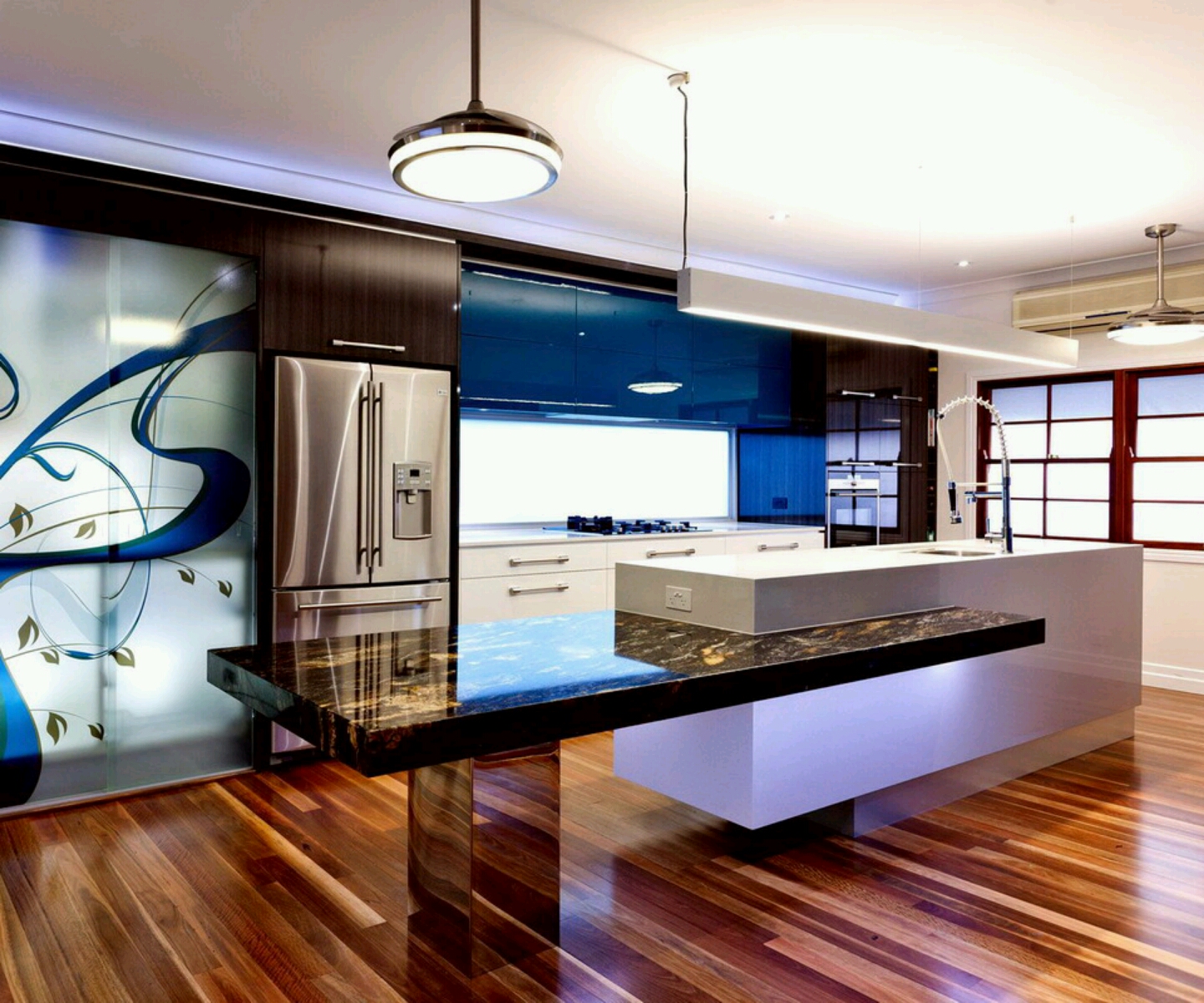
Modern kitchens are known for their open and airy layout. Walls are minimized or eliminated to create a seamless flow between the kitchen and adjacent living spaces. This open concept design not only enhances the visual appeal but also promotes social interaction and connectivity.
Functional and Efficient
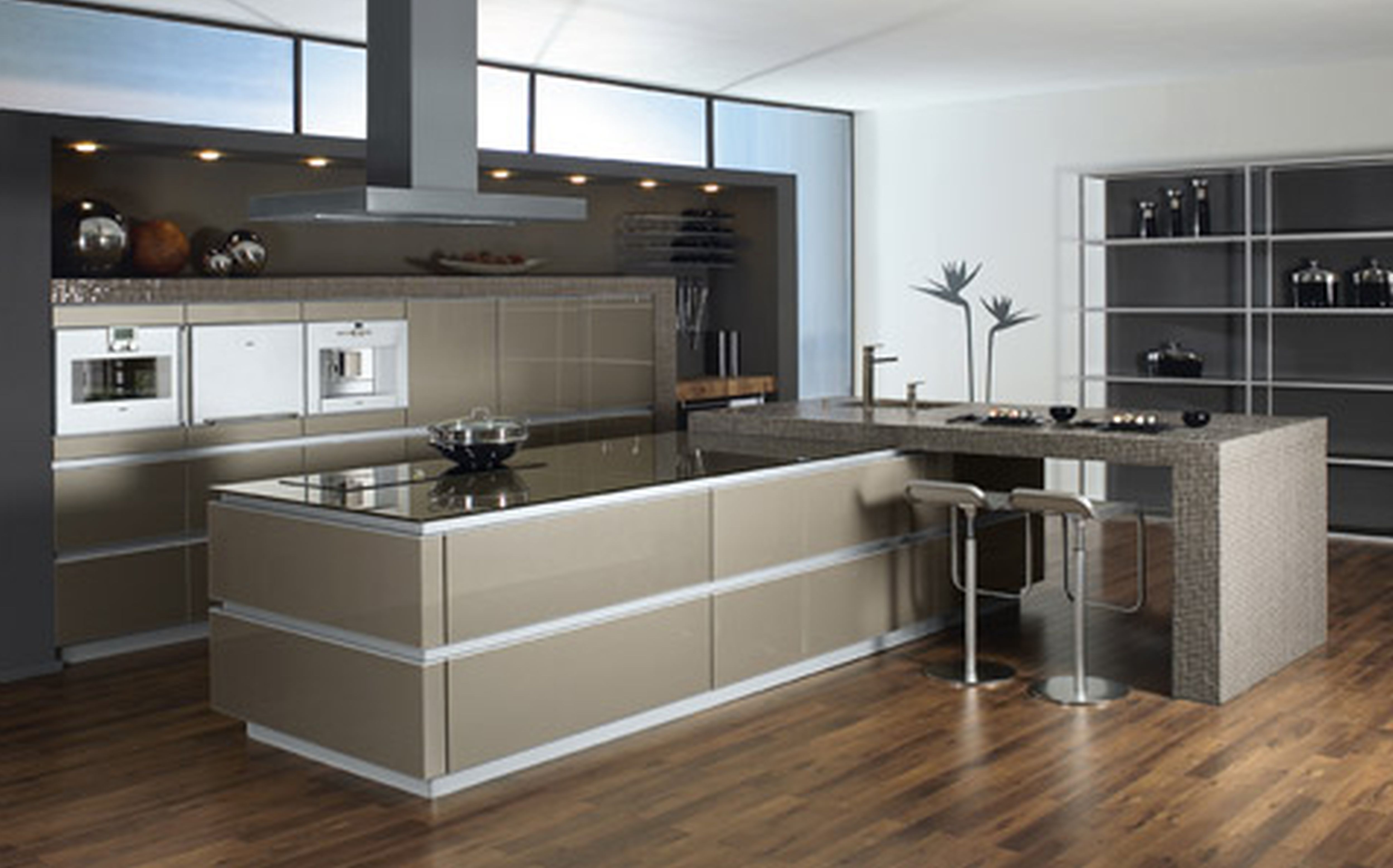
Functionality and efficiency are at the core of modern kitchen design. The layout is carefully planned to optimize workflow and minimize unnecessary steps. Design elements such as ample storage, well-organized cabinets, and cleverly positioned appliances contribute to a highly functional and efficient kitchen space.
Minimalist Color Palette
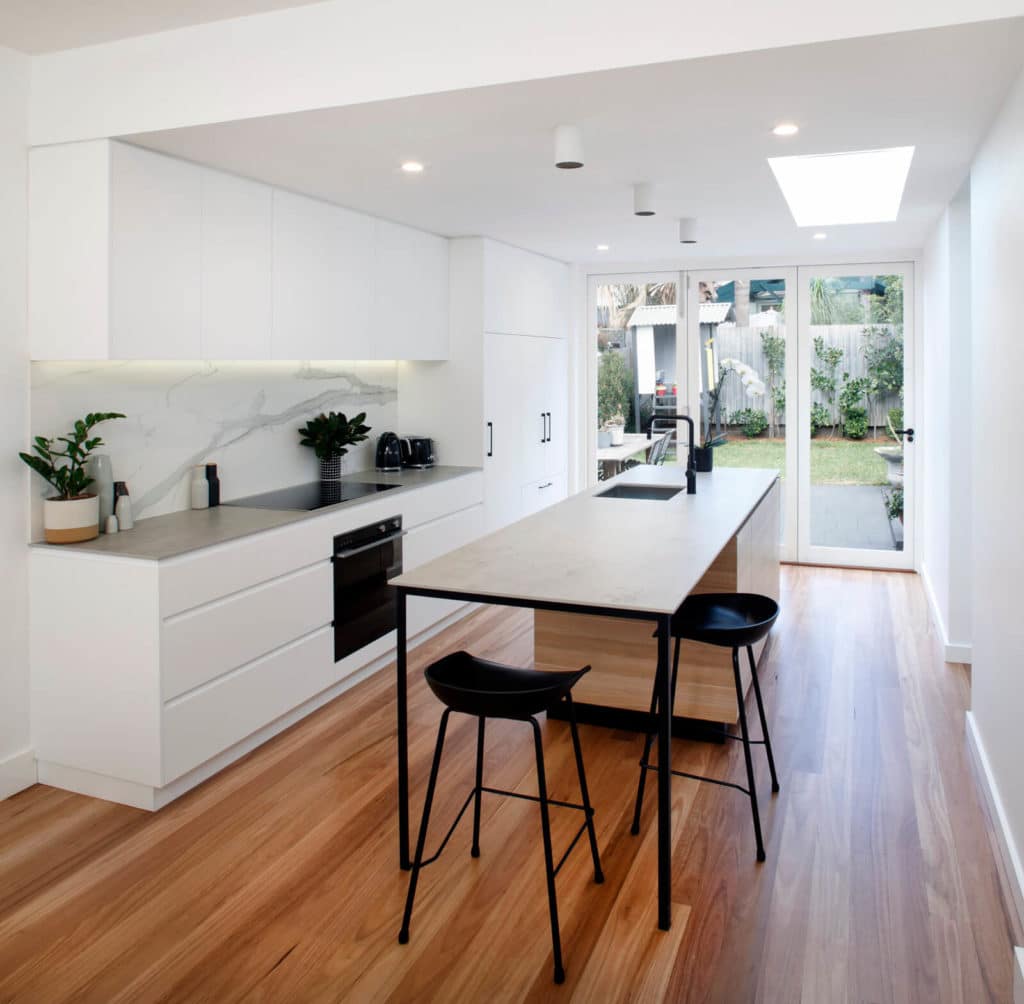
Modern kitchen design often embraces a minimalist color palette. Neutral tones such as white, gray, and beige are popular choices, as they create a clean and timeless look. These colors also provide a versatile backdrop for adding pops of color through accessories or accent pieces.

Innovative Technology
Technology plays a significant role in modern kitchen design. Smart appliances, touchless faucets, and integrated lighting systems are just a few examples of how technology enhances the functionality and convenience of a modern kitchen. These innovations not only make tasks easier but also add a touch of luxury to the space.
Natural Elements
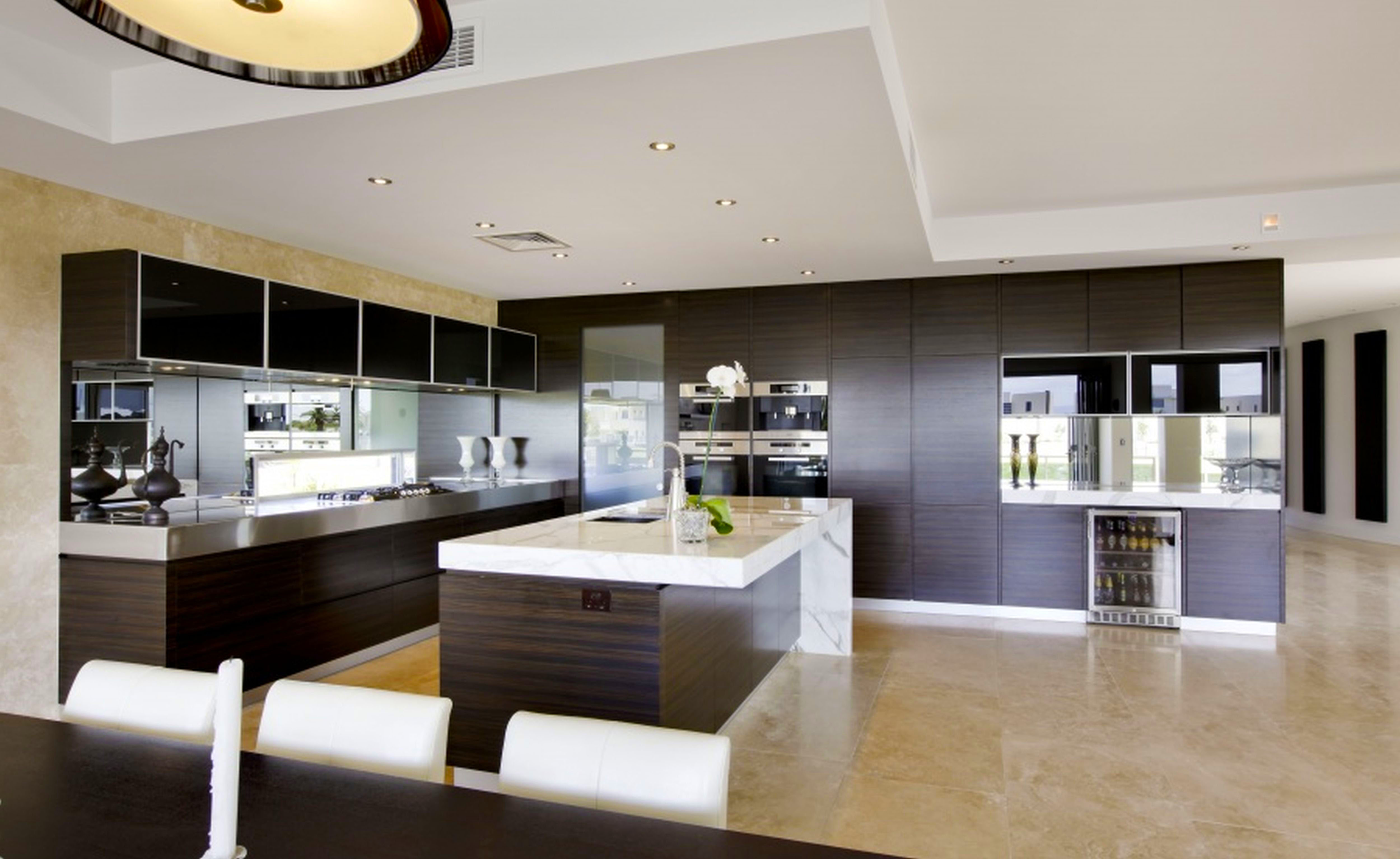
While modern kitchen design is often associated with sleek and minimalist aesthetics, it also incorporates natural elements to create warmth and balance. Materials such as wood, stone, and concrete add texture and visual interest, creating a harmonious blend of nature and modernity.
.jpg)
Statement Lighting
Lighting plays a crucial role in modern kitchen design. It not only illuminates the space but also serves as a design element. Pendant lights, recessed lighting, and under-cabinet lighting are popular choices for creating a dramatic and functional lighting scheme in modern kitchens.
.jpg)
Sustainable Design
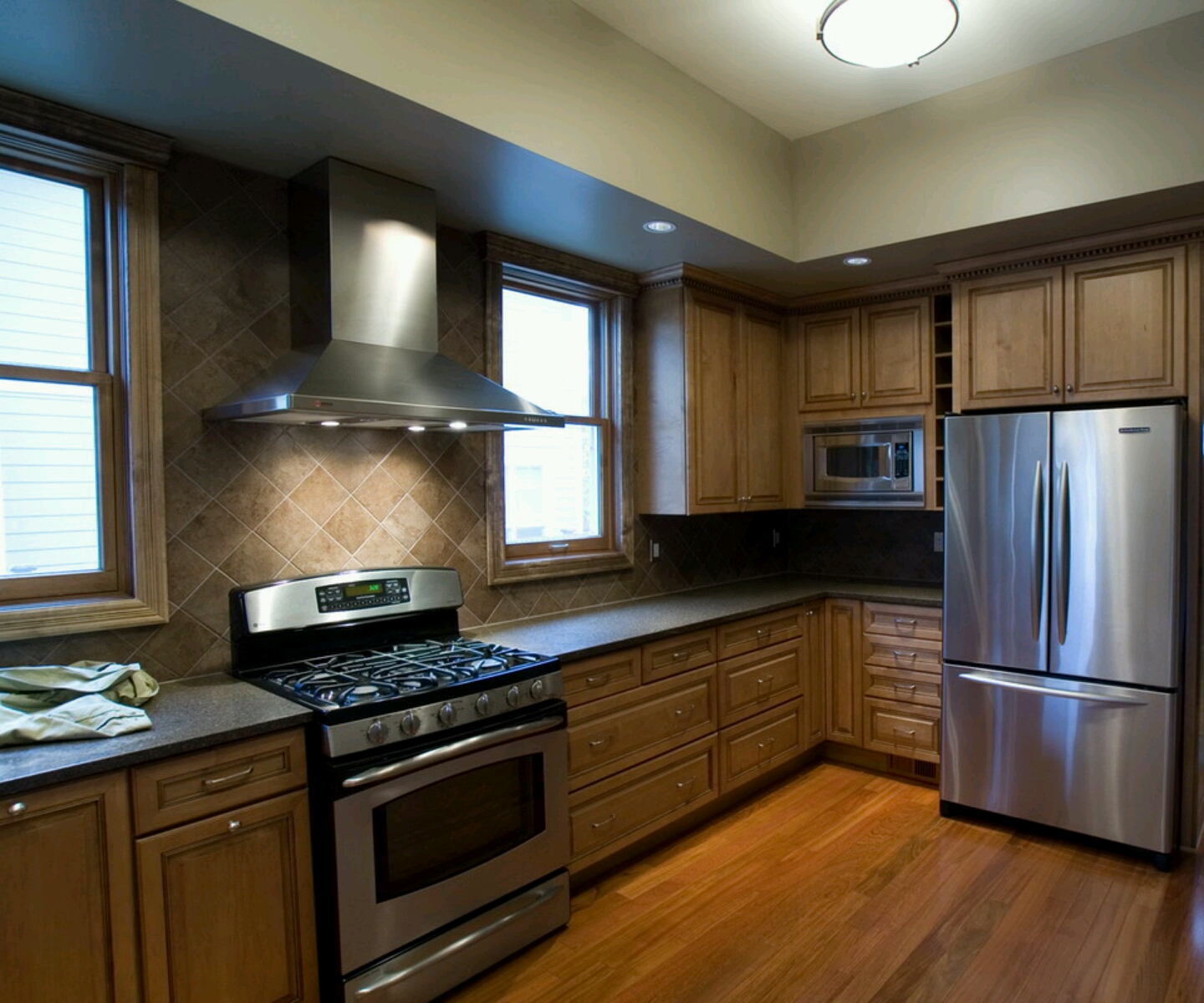
With increasing awareness of environmental issues, sustainable design practices have gained popularity in modern kitchen design. Energy-efficient appliances, eco-friendly materials, and water-saving fixtures are incorporated to reduce the kitchen's environmental impact while maintaining style and functionality.
.jpg)
Conclusion
Modern kitchen design encompasses a wide range of elements, from sleek aesthetics to functional layouts and innovative technology. By embracing these principles, homeowners can create a kitchen space that not only meets their practical needs but also reflects their personal style and enhances their overall living experience.
